Category: power lift chairs
Posted by 2025-12-25 11:12
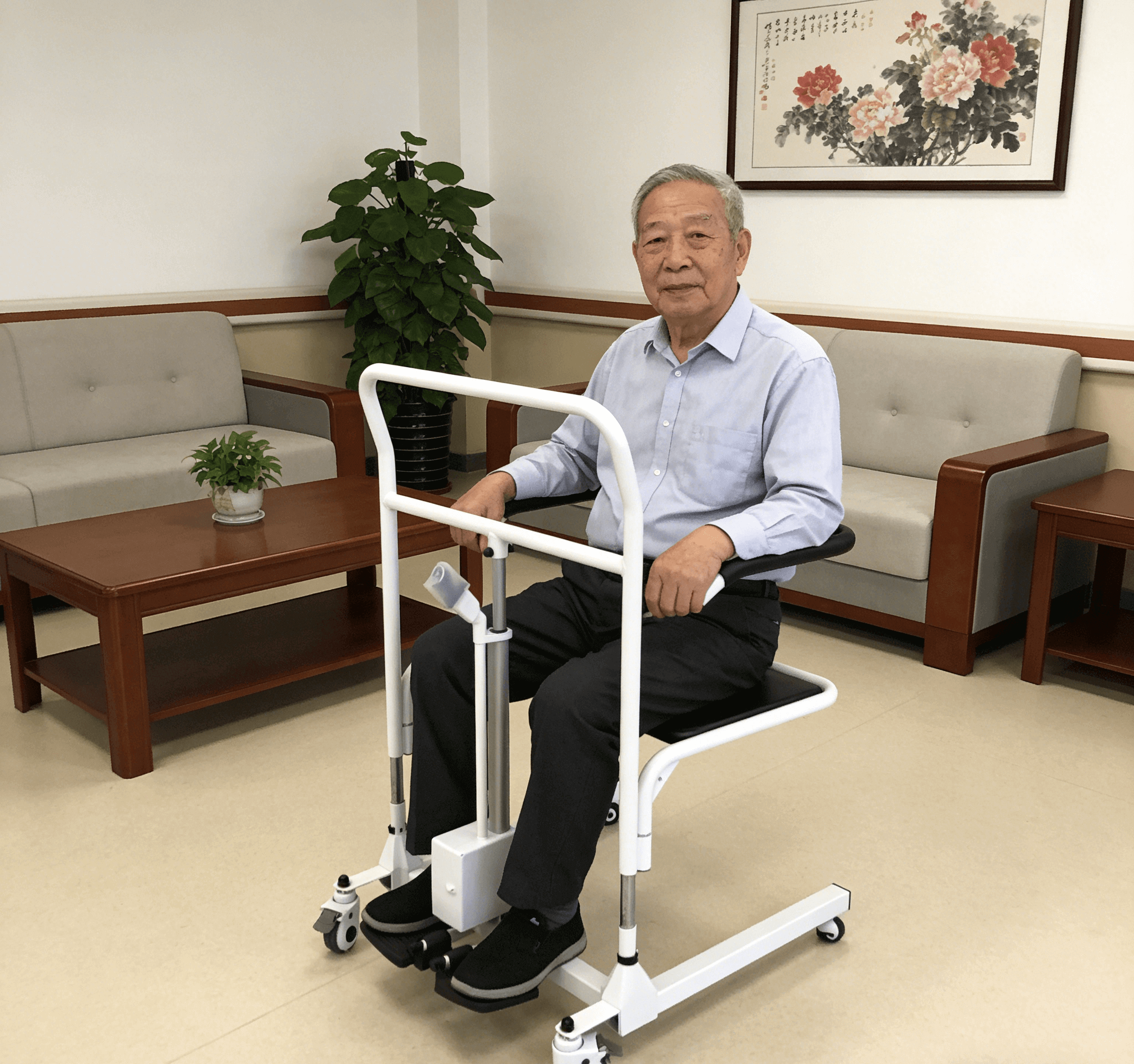
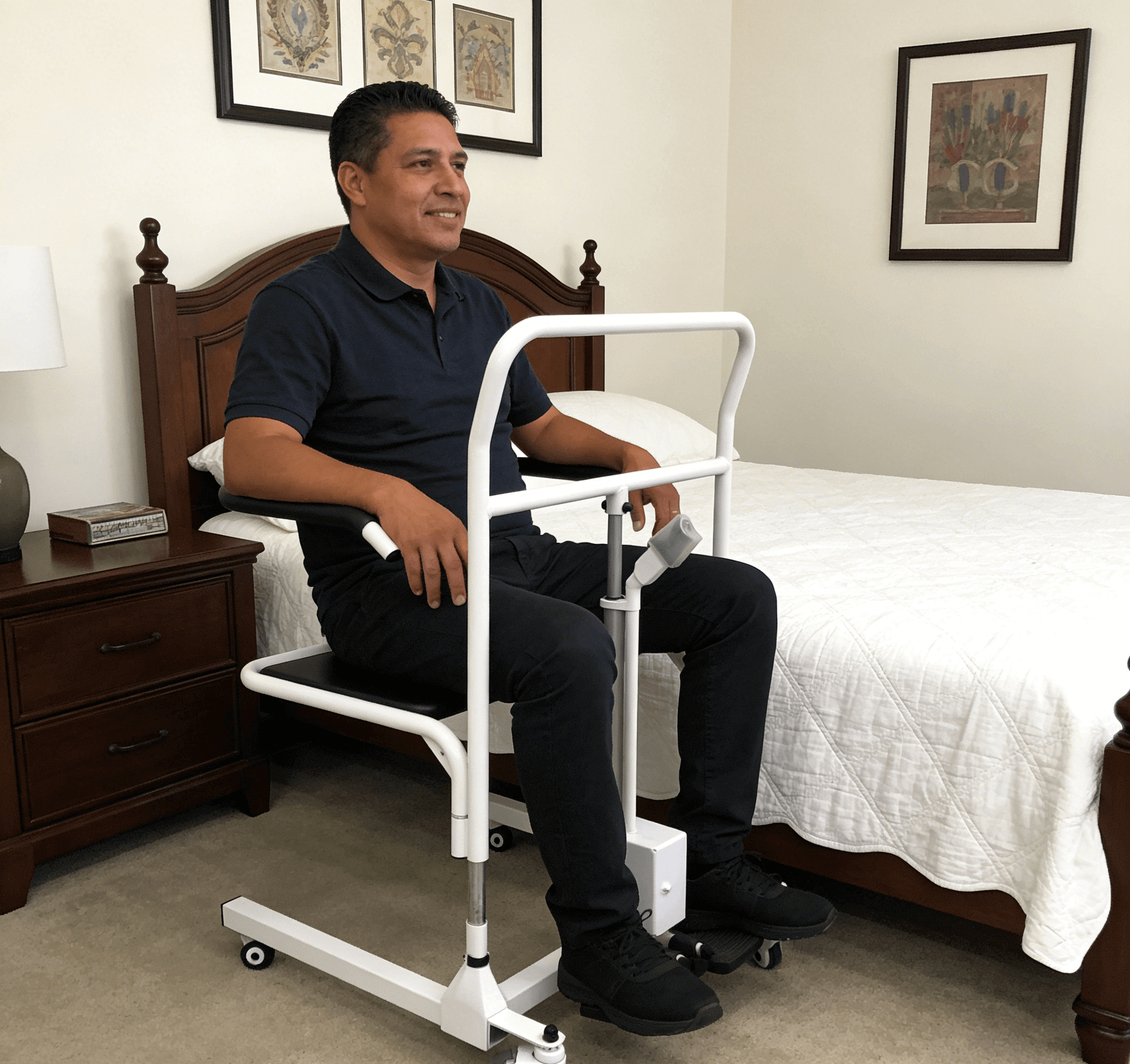
hoyer lift for wheelchair
Key Preparations Before Transfer
Environmental Preparation
Clear all obstacles along the transfer path.
Ensure the floor is dry and level.
Fully engage the wheelchair brakes.
Remove the wheelchair armrests and footrests (if detachable).
Equipment Inspection
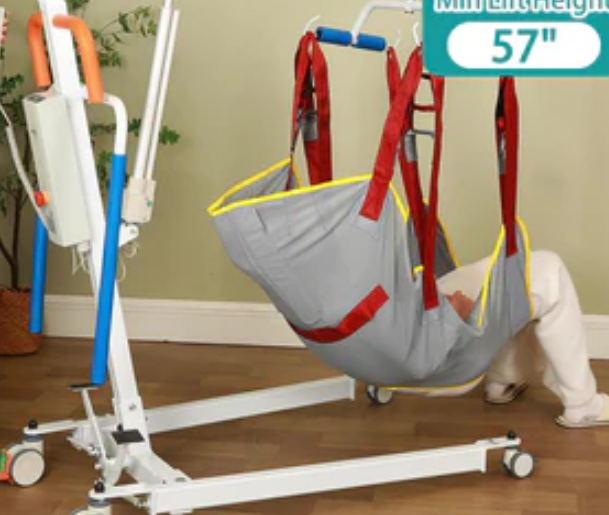
Check the sling for wear or tears.
Verify that the safety locks of all hooks are functioning properly.
Test the hydraulic system to ensure smooth lifting and lowering.
Inspect the stability of the lift base.
hoyer lift for wheelchair
hoyer lift for wheelchair
Communication Preparation
Explain the transfer process to the user in detail.
Ensure the user is in a comfortable physical position.
Confirm the user is mentally prepared for the transfer.
Standardized Transfer Process
1. Sling Placement
Assist the user to lie on their side.
Spread the sling flat under the user’s back and buttocks.
Ensure the center line of the sling aligns with the user’s spine.
Help the user return to a supine position and arrange the leg straps of the sling.
2. Equipment Positioning
Push the lift to the side of the bed at a 30-45 degree angle.
Step on the brakes to secure the wheels.
Adjust the boom to be directly above the user.
3. Connection Inspection
Connect the sling following the "far-to-near" principle.
Double-confirm that all hooks are fully locked.
Check if the sling bears weight evenly and balances properly.
4. Lifting Operation
Lift the user slowly and steadily.
First lift slightly to check the balance.
Lift to a height sufficient to clear the edge of the bed.
5. Transfer Positioning
Steadily push the equipment to a position above the wheelchair.
Use the telescopic boom function to fine-tune the position (if available).
Precisely position the user directly above the wheelchair.
6. Safe Lowering
Lower the user slowly to seat them on the wheelchair.
After confirming the user is in a stable and comfortable sitting position, unfasten the hooks.
Disconnect the connections in the "near-to-far" order.
Handling Special Situations
Transfer of Patients with Hemiplegia
Slightly shift the hanging points toward the affected side to maintain balance.
Pay special attention to the placement of the limbs on the affected side.
Use auxiliary pads to support the body on the affected side.
Transfer of Users with Heavy Body Weight
Ensure a heavy-duty lift model is used.
Arrange for two caregivers to operate collaboratively.
Adopt an electric model to reduce physical exertion.
Transfer in Space-Constrained Environments
Choose a lift model with an adjustable-width base.
Use the boom telescoping function for precise positioning.
Adjust the position of furniture in advance to create more space.
Safety Standards and Risk Prevention
Absolutely Prohibited Practices
Exceeding the rated load capacity of the equipment.
Operating the equipment on an inclined or slippery floor.
Using a damaged or defective sling.
Leaving a suspended user unattended.
Skin Protection Measures
Place soft fabric between the sling and the user’s skin.
Check the pressure-bearing areas on the user’s body after each transfer.
Regularly change the weight-bearing points of the sling.
Choose a wide, soft, and dedicated sling.
Emergency Preparation
Familiarize yourself with the emergency lowering procedure.
Master the process for handling unexpected situations.
Keep emergency contact numbers accessible.
Equipment Selection Guide
Lift Types
Manual Hydraulic Lift: Economical and practical, suitable for families with limited budgets.
Electric Lift: Effort-saving to operate, with smooth lifting and lowering; highly recommended for daily use.
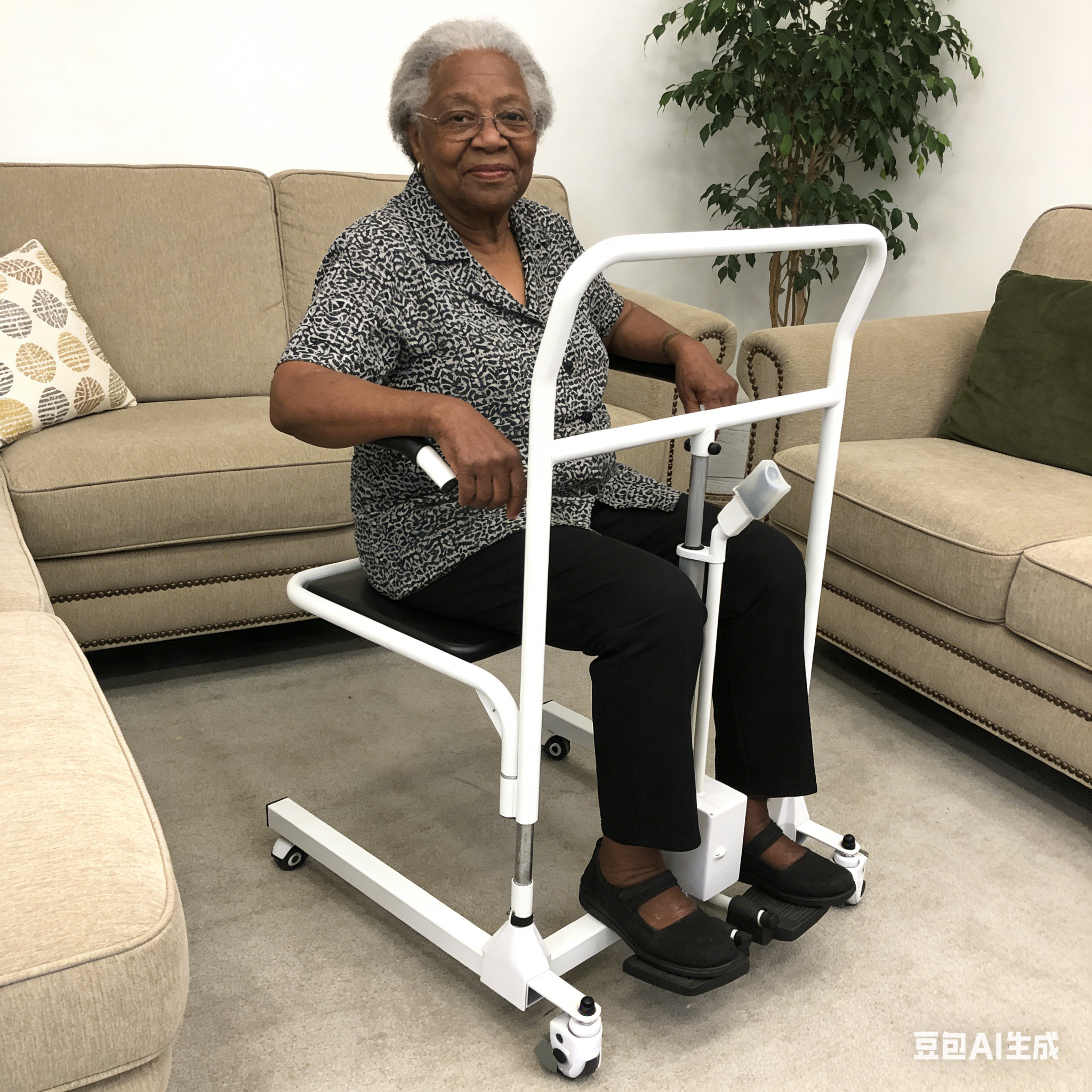
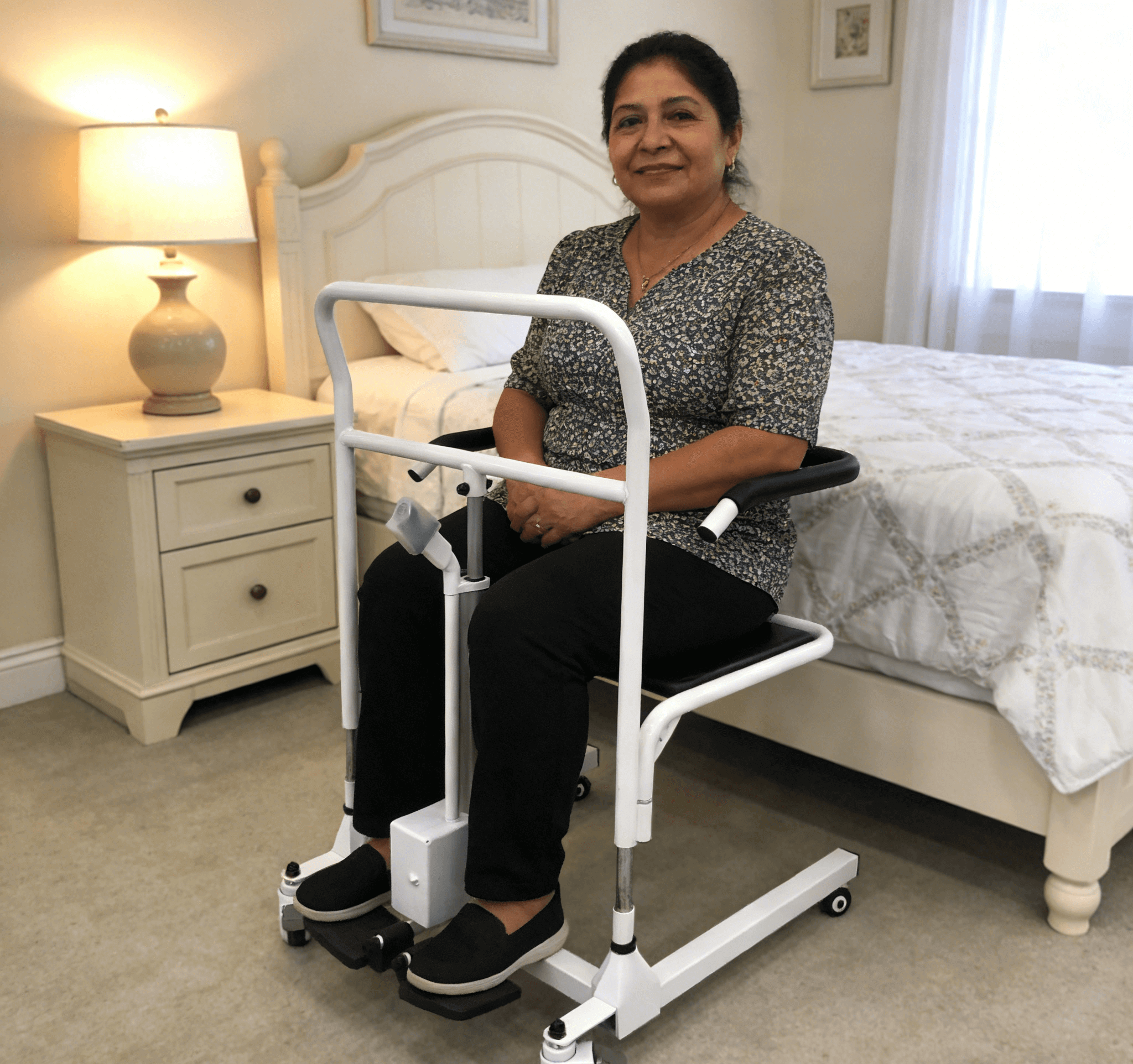
Compact Lift: Suitable for living environments with limited space.
Sling Selection
Sitting Sling: The most commonly used sling for wheelchair transfers.
Full-Support Sling: Suitable for users with poor trunk control.
Toileting/Bathing Sling: Made of mesh material, hoyer lift for wheelchair suitable for hygiene needs such as toileting.
Maintenance and Care
Daily Maintenance
Clean and disinfect the equipment after each use.
Check the sling for wear.
Test the function of the safety locks.
Regular Maintenance
Inspect the hydraulic system monthly.
Check the structural integrity quarterly.
Conduct professional inspections annually.
Professional Tips for Improving Care Quality
Posture Management
Adjust the user’s sitting posture immediately after transfer.
Use cushions to provide additional support.
Ensure the user’s feet rest steadily on the footrests.
Psychological Support
Maintain communication throughout the entire process.
Operate with a calm and confident attitude.
Show full respect to the user.
Efficiency Optimization
Develop a personalized transfer plan.
Establish a standardized operation process.
Arrange daily transfer times reasonably.
Conclusion
Mastering the safe transfer technique between a Hoyer Lift and a wheelchair is the key to transforming the burden of care into professional compassion. Through standardized processes, strict safety standards, and humanized operations, every transfer can become a warm interaction that upholds dignity and enhances trust. Remember, hoyer lift for wheelchair the best care is not just about moving a person from one place to another, but the perfect combination of safety, comfort, and respect. Investing time in learning the correct operation method is an investment in the well-being and safety of you and your loved ones.